
Category: Competencies
-
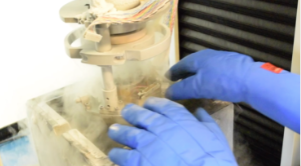
Experimental Stress Analysis
Technologies Three technologies to assess stress field in harsh conditions! 01Resistive sensors Several decades of experience in the experimental stress analysis based on electrical strain gauges in harsh conditions! Resistive sensors are used on several types of components: superconducting magnets, dumps, RF cavity, detectors in different conditions as electro-magnetic field, vacuum, radiation, water, etc. 02Optical fibre…
-

Vibration and Seismic Impact
How structural vibrations and the ground motion impact particle physics accelerators or delicate components? Obtain the most complete dynamic response of your structure Seismic and ground motion characterization of surface and underground sites Get a full characterization of your site prior to sensitive equipment installation according to standard (VC Curves) Extract natural frequencies, damping ratio…
-
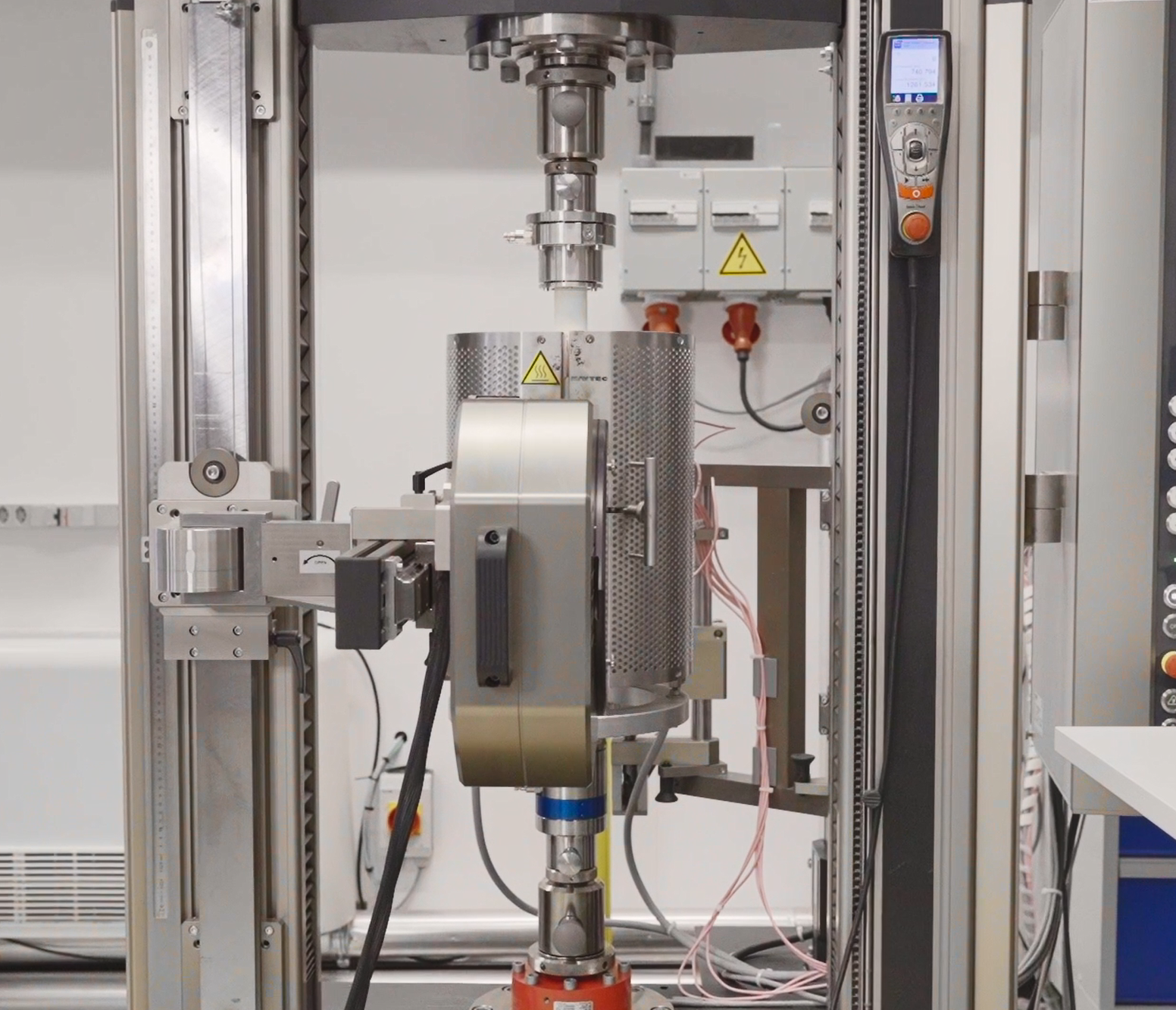
Mechanical Testing
Bridging Theory and Real-World with Advanced Mechanical Testing Unlock complete confidence in your FEA models and prototypes Back your designs with the power of mechanical testing to ensure your FEA models perform as expected in real-world conditions Obtain the most complete view on your materials properties for better predictions Get the full picture of your…
-
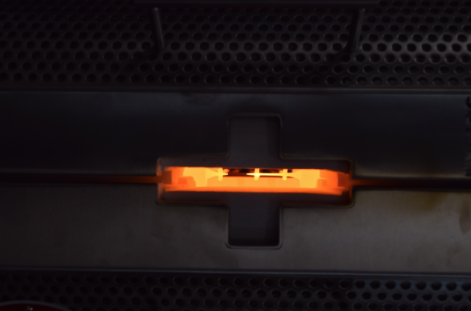
Thermal Properties
The 3 + 1 properties that concern us the most We support the CERN community across its full temperature range EXTREME TEMPERATURES From as low as 1.9 K up to 2000 °C 1.9 K At CERN, temperatures as low as 1.9 K are widely present – and necessary as the LHC particularly relies heavily on…
-
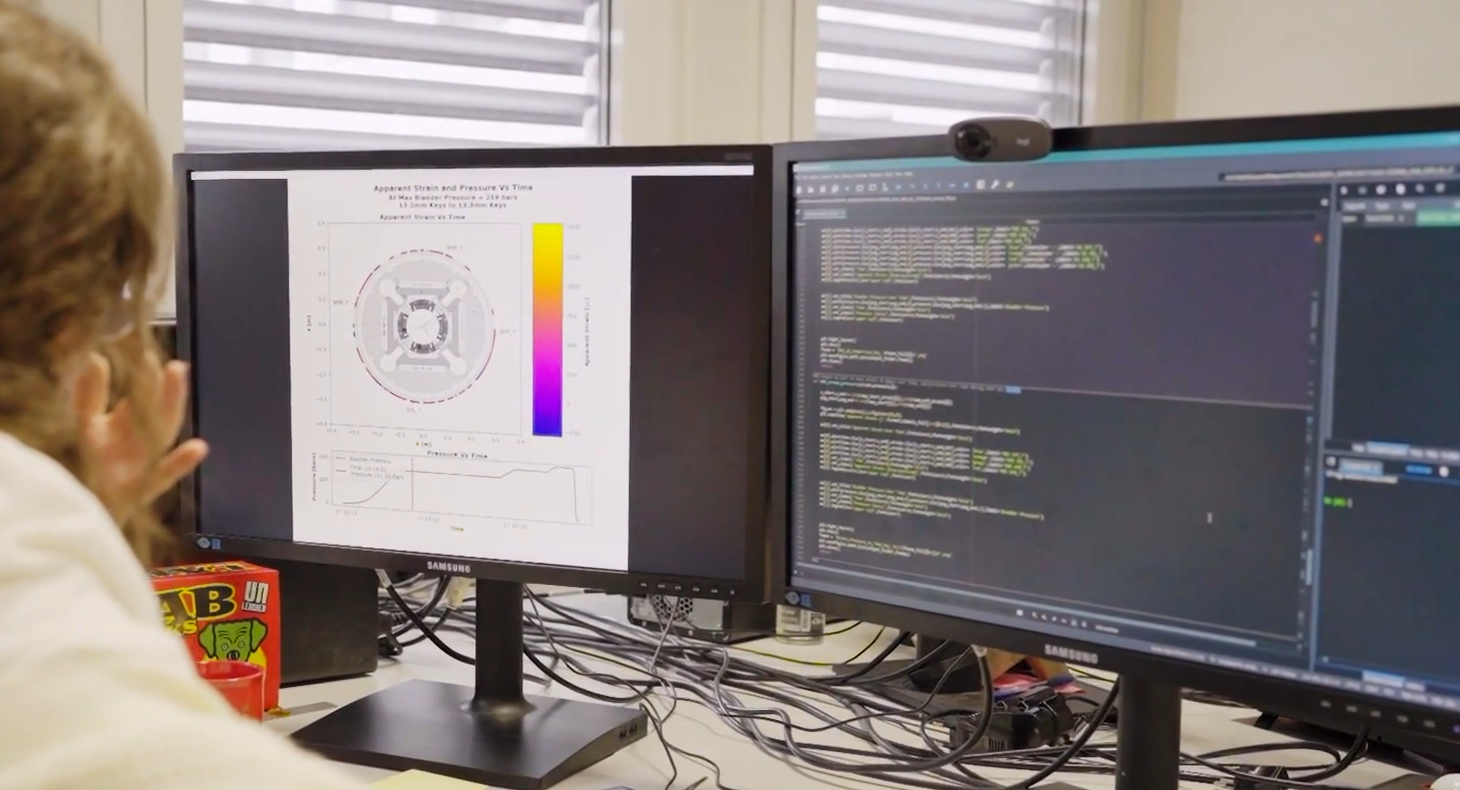
Research and Development
-
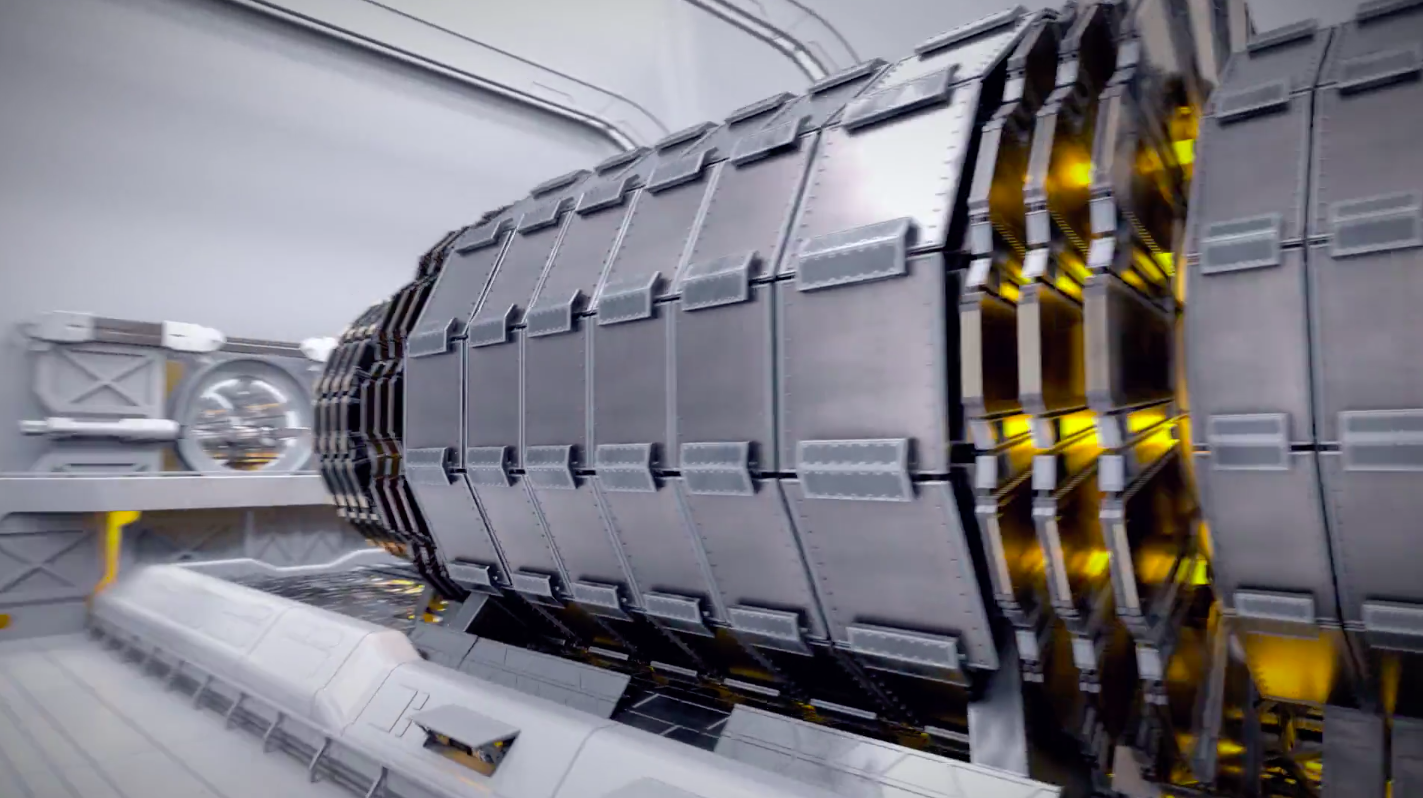
Digital Twins
Our Approach Real-time Data from Physical Twin Technologies We Use Open-source tools backed by CERN IT Infrastructure and State-of-Art DAQ’s. CERN’s Nile CERN’s PaaS CERN’s MONIT Turning Into Actionable Insights from Digital Twin Our Collaborators A joint effort from CERN’s EN-MME and IT-DA. MBBM-VAS Hottinger Brüel Kjaer University of Roma La Sapienza